Представляешь, Странник, людоеды-расисты считают, что негры горчат.
Bestiary.us
энциклопедия вымышленных существБыстрый переход
- Портал им.Киплинга Собрание сказок, поэтически объясняющих происхождение той или иной особенности животных, например "откуда у верблюда горб", "почему у слона длинный хобот", или "с чего б это вдруг кошки и собаки не ладят".
- Городские легенды Cовременная разновидность мифов, как правило, короткие, и, на первый взгляд, правдоподобные (хотя обычно не соответствующие действительности) истории, опирающиеся на современную техническую и общественную реальность, обычно затрагивающие глубинные проблемы и страхи современного общества.
- Средиземье Средизе́мье (англ. Middle-earth, буквально Среди́нная земля́, также существуют варианты перевода Среднеземье, Средьземелье) — одна из первых и самых известных фэнтези-вселенных. Оно является местом действия основных произведений Дж.Р.Р.Толкина, а также «вольных продолжений» других авторов.
Дуллахан
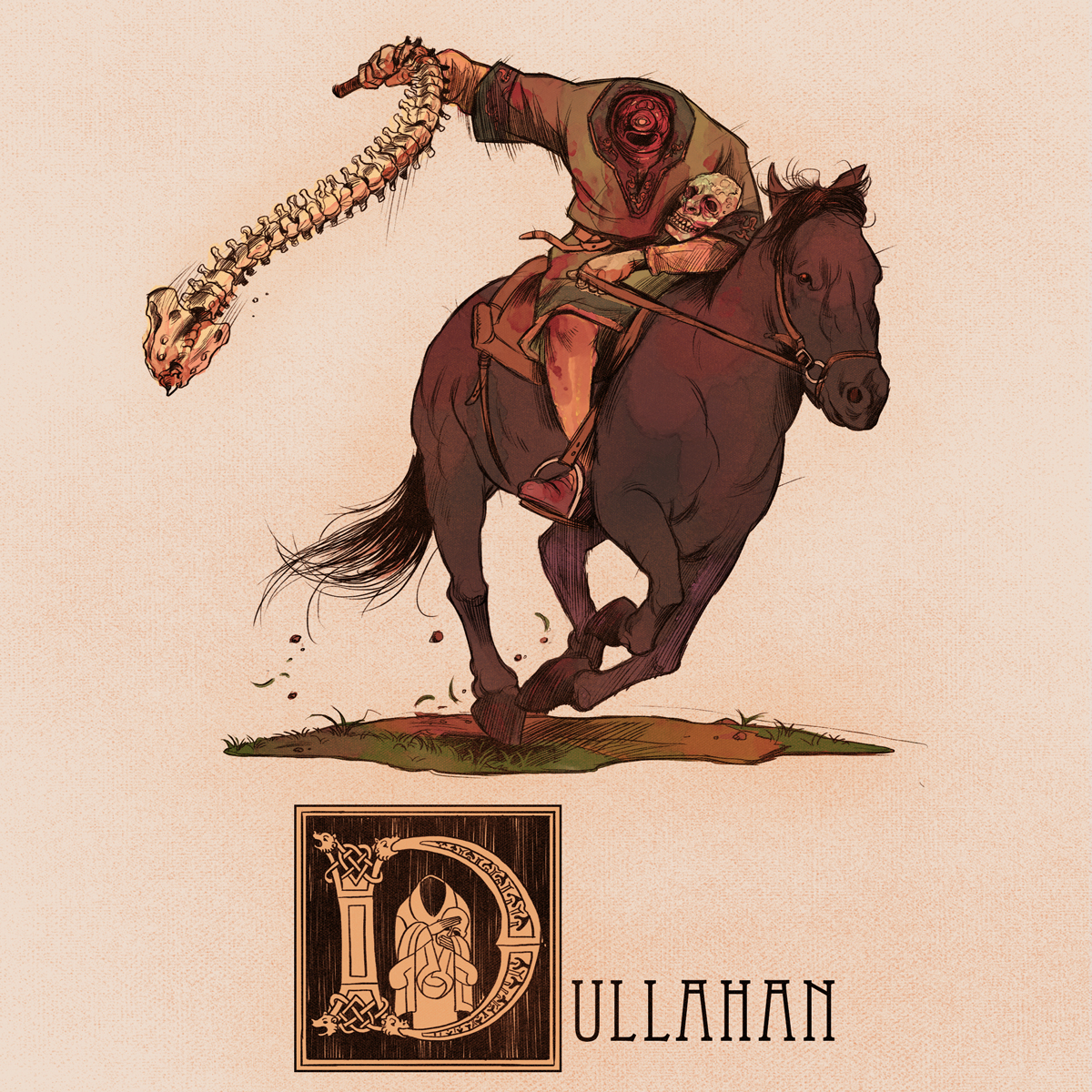
Дуллахан — в ирландском и горно-шотландском фольклоре демонический всадник или возничий, несущий свою отрубленную голову в руке или под мышкой
Dullahan — according to Irish and Scottish Gaelic folklore, a demonic rider or coachman who carries his severed head in his hand or tucked under his arm
Дуллахан — в ирландском и горно-шотландском фольклоре демонический всадник или возничий, несущий свою отрубленную голову в руке или под мышкой
Dullahan — according to Irish and Scottish Gaelic folklore, a demonic rider or coachman who carries his severed head in his hand or tucked under his arm
Дуллахан — в ирландском и горно-шотландском фольклоре демонический всадник или возничий, несущий свою отрубленную голову в руке или под мышкой
ДуллаханВ ирландском и горно-шотландском фольклоре демонический всадник или возничий, несущий свою отрубленную голову в руке или под мышкой по-русскиDullahanAccording to Irish and Scottish Gaelic folklore, a demonic rider or coachman who carries his severed head in his hand or tucked under his arm in english
Dullahan —
Durrachan —
В современной литературе образ дуллахана, ирландского легендарного существа, обычно бывает сведён к всаднику без головы на чёрной лошади. Он настигает путников среди ночи, держа под мышкой или в правой руке свою голову, глаза которой сияют как лампы.
... such a head no mortal ever saw before. It looked like a large cream cheese hung round with black puddings: no speck of colour enlivened the ashy paleness of the depressed features; the skin lay stretched over the unearthly surface, almost like the parchment head of a drum. Two fiery eyes of prodigious circumference, with a strange and irregular motion, flashed like meteors.., and to complete all, a mouth reached from either extremity of two ears, which peeped forth from under a profusion of matted locks of lustreless blackness. This head, which the figure had evidently hitherto concealed.., now burst upon his view in all its hideousness.
The Headless Horseman // Croker Th.C. "Fairy Legends and Traditions of the South of Ireland" (1055: p.234-235)
Боже, что это была за голова! Вряд ли кому из смертных доводилось видеть нечто подобное. С виду она напоминала огромный кругляш сливочного сыра, обрамленный черным пудингом. Лицо с мрачными, резкими чертами было пепельно-серым, и ни единая крапинка цвета не оживляла эту мертвенную бледность. Кожа казалась туго натянутой, словно пергаментное покрытие барабана. Огромные круглые глаза беспорядочно вращались и, подобно двум метеорам, яростно сверкали... Картину дополнял узкий, безгубый рот, растянутый от уха до уха, и копна спутанных черных волос. И вот такая-то голова, до поры до времени укрывавшаяся под мышкой у незнакомца, теперь предстала во всем своем безобразии…
Всадник без головы // Croker Th.C. "Fairy Legends and Traditions of the South of Ireland" (802: с.241)
В другой руке у него хлыст, представляющий собой человеческий позвоночник. Встретить его — это предвестие скорой смерти (1056: p.54). Иногда дуллахан считается разновидностью Повозки смерти, то есть уже не всадника, а экипажа с несколькими лошадьми, которые настигают путников, что предвещают, в общем, то же самое (764: p.140). Дуллахана рассматривают и как мужскую разновидность ирландской банши (764: p.140), хотя в последнем случае стоит оговориться, что дуллахан не является предвестником смерти членов определённых семейств, как это делает ирландская плакальщица банши.
Ирландский собиратель фольклора Томас Крофтон Крокер, когда пытался понять, что же такое дуллахан, заметил, что под этим названием имеют в виду разновидность гоблина (1055: p.240). Конечно, не того образа гоблина, навязанного популярной культурой. Фольклорный образ, который подразумевался под этим словом, часто не имел определённого облика. Это некий "страх", ужас, который может встретиться в почти любом виде. Слово Dullahan или как его ещё называют Durrachan, Крокер выводил из ирландского durr, dorr — "ярость", или Durrach — "злобный, яростный" (1055: p.240), что намекало на злобную природу этого существа. Правда, не все истории про встречу с дуллаханом заканчиваются печально для людей.
При всех отличиях в историях про дуллахана у него есть, правда, одна совершенно определённая черта. Это существо человекообразное, а его голова живёт своей, самостоятельной жизнью. Дуллахан не всегда мужчина. В одной из ирландских историй мужчина встречает на дороге девушку и предлагает её подвезти в повозке. Вскоре, воспылав к ней страстью и вознамерившись поцеловать, а затем погнавшись за ней и догнав на кладбище, он внезапно обнаруживает, что сделать этого не получится за неимением у неё головы (1055: p.214-215). На кладбище перепуганный герой рассказа становится свидетелем самого странного хоровода дуллаханов, который только можно себе представить. Он видит старое колесо для пыток с насаженными на него черепами, а безголовые обладатели этих черепов, крутят его и танцуют под музыку, которая доносится невесть откуда, и поют песню, а потом насмехаются над героем и даже предлагают ему с ними выпить (1055: p.216-217). Вообще, шутки достаточно характерны для дуллаханов. В истории "Всадник без головы", рассказывающей как герой, ехав с ярмарки, где купил лошадь, не боится пуститься наперегонки с догнавшей его повозкой, запряжённой лошадью без головы (хотя голова "скачет" рядом) и человеком, чья голова, похожая на кусок заплесневевшего сыра, зажата у него под правой рукой, постоянно слышны язвительные комментарии последней по поводу нашего героя. После скачек, во время которых герой не испугался ни рытвин, ни каменных стен* на своём пути, всадник не только отпускает героя с миром, а и вознаграждает того за смелость:
A hundred years it is since my horse and I broke our necks at the bottom of Kilcummer hill, and ever since I have been trying to get a man that dared to ride with me and never found one before. Keep, as you always have done, at the tail of the hounds, never baulk a ditch, nor turn away from a stone walls and the headless horseman will never desert you nor the old mare.
The Headless Horseman // Croker Th.C. "Fairy Legends and Traditions of the South of Ireland" (1055: p.238)
Сотня лет прошла с тех пор как я и моя лошадь сломали себе шеи у подножия холма Килкаммер, и с тех пор я пытался найти человека, который поскачет вместе со мной и не мог его найти. Оставайся, как ты делал это всегда, за хвостами гончих, не уклоняйся от канав и не сворачивай перед каменными стенами, и всадник без головы никогда не покинет ни тебя, ни твою старую клячу.
Всадник без головы // Croker Th.C. "Fairy Legends and Traditions of the South of Ireland" (1055: p.238)
Другие встречи с дуллаханами заканчиваются не настолько хорошо. Даже смотреть на дуллахана может оказаться опасным. Даже взгляд украдкой может закончиться тем, что дуллахан выльет в лицо посмотревшему таз с кровью или ударит своим хлыстом по лицу, после чего человек ослепнет на один глаз (1056: p.55). Также считается, что дуллахан боится золота, и если бросить перед ним на дорогу золотую монету, он исчезнет (1056: p.54).
В этом образе явно видны и черты классических историй про призраков и проклятых людей, которые вынуждены блуждать после своей смерти, воспроизводя те действия, которыми были одержимы при жизни. Кроме того, в истории "Всадник без головы" есть явная охотничья подоплёка, что заставляет вспомнить и о мотивах, сопровождающих Дикий гон, тем более, что люди без головы иногда, как считалось, появляются в подобных шествиях (1056: p.55).
In modern literature, the image of the Dullahan, a legendary Irish creature, is usually reduced to that of a headless rider on a black horse. He overtakes travelers in the middle of the night, carrying his own head either tucked under his arm or in his right hand, its eyes glowing like lamps.
... such a head no mortal ever saw before. It looked like a large cream cheese hung round with black puddings: no speck of colour enlivened the ashy paleness of the depressed features; the skin lay stretched over the unearthly surface, almost like the parchment head of a drum. Two fiery eyes of prodigious circumference, with a strange and irregular motion, flashed like meteors.., and to complete all, a mouth reached from either extremity of two ears, which peeped forth from under a profusion of matted locks of lustreless blackness. This head, which the figure had evidently hitherto concealed.., now burst upon his view in all its hideousness.
The Headless Horseman // Croker Th.C. "Fairy Legends and Traditions of the South of Ireland" (1055: p.234-235)
In the other hand he holds a whip made from a human spine. Encountering him is an omen of imminent death (1056: p.54). Sometimes the Dullahan is regarded as a form of the Death Coach — that is, not as a rider but as a carriage drawn by several horses that overtakes travelers, foretelling essentially the same fate (764: p.140). The Dullahan is also considered a male counterpart of the Irish banshee (764: p.140), although it should be noted that the Dullahan does not herald the deaths of members of particular families, as the Irish keening spirit, the banshee, traditionally does.
The Irish folklorist Thomas Crofton Croker, when attempting to understand what the Dullahan actually was, noted that the name referred to a type of goblin (1055: p.240). This, of course, was not the image of a goblin imposed by modern popular culture. The folkloric concept implied by this word often had no fixed appearance. Rather, it represented a kind of “fear”, a terror that might appear in almost any form. The word Dullahan, also known as Durrachan, was derived by Croker from the Irish durr or dorr (“rage”), or durrach (“malicious, fierce”) (1055: p.240), suggesting the malevolent nature of the creature. However, not all stories about encounters with the Dullahan end tragically for humans.
Despite the differences among the stories about the Dullahan, the creature has one very distinct characteristic. It is humanoid, and its head lives a life of its own. The Dullahan is not always male. In one Irish story, a man meets a young woman on the road and offers to give her a ride in his cart. Soon, overcome with passion and intending to kiss her, he chases after her and catches up with her in a graveyard, only to suddenly discover that this is impossible — because she has no head (1055: p.214-215). In the graveyard, the frightened protagonist becomes a witness to the strangest gathering of Dullahans imaginable. He sees an old torture wheel with skulls set upon it, while the headless owners of those skulls spin it and dance to music that seems to come from nowhere, singing a song. Afterwards they mock the hero and even invite him to drink with them (1055: p.216-217). Humor, in fact, is quite characteristic of Dullahans. In the story “The Headless Horseman”, which tells how a hero returning from a fair where he had bought a horse is unafraid to race a carriage that catches up with him — drawn by a headless horse (although its head “gallops” beside it) and driven by a man whose head, resembling a piece of moldy cheese, is tucked under his right arm — one constantly hears the latter’s sarcastic remarks about the hero. After the race, during which the hero shows no fear of either ditches or stone walls* along his path, the rider not only lets the hero go in peace but also rewards him for his courage:
A hundred years it is since my horse and I broke our necks at the bottom of Kilcummer hill, and ever since I have been trying to get a man that dared to ride with me and never found one before. Keep, as you always have done, at the tail of the hounds, never baulk a ditch, nor turn away from a stone walls and the headless horseman will never desert you nor the old mare.
The Headless Horseman // Croker Th.C. "Fairy Legends and Traditions of the South of Ireland" (1055: p.238)
Other encounters with Dullahans do not end so well. Even looking at a Dullahan can be dangerous. A mere glance may result in the Dullahan splashing a basin of blood into the observer’s face or striking them across the face with his whip, leaving the person blind in one eye (1056: p.55). It is also believed that the Dullahan fears gold, and if a gold coin is thrown onto the road before him, he will disappear (1056: p.54).
This image clearly contains elements of classic ghost stories about restless or cursed individuals who are forced to wander after death, endlessly repeating the actions that obsessed them during life. Moreover, the story “The Headless Horseman” contains a clear hunting motif, which recalls the themes associated with the Wild Hunt, especially since headless figures were sometimes believed to appear in such spectral processions (1056: p.55).
Статус статьиСтатус артыкулаStatus artykułuСтатус статтіArticle status:
Процессия (незаконченная статья в процессе написания)
Подготовка статьиПадрыхтоўка артыкулаPrzygotowanie artykułuПідготовка статтіArticle by:
Адрес статьи в интернетеАдрас артыкулу ў інтэрнэцеAdres artykułu w internecieАдрес статті в інтернетіURL of article: //bestiary.us/dullahan

Культурно-географическая классификация существ:
Культурна-геаграфічная класіфікацыя істот:
Kulturalno-geograficzna klasyfikacja istot:
Культурно-географічна класифікація істот:
Cultural and geographical classification of creatures:
Ирландская мифология и фольклорИрландская мифология и фольклорIrish FolkloreІрландський фольклорIrish Folklore, Фольклор Хайленда (Highland), Горной ШотландииФольклор Хайленда (Highland), Горной ШотландииHighland FolkloreФольклор ХайлендуHighland Folklore, Мифология и фольклор кельтских народовМифология и фольклор кельтских народовCeltic Mythology and FolkloreМіфологія та фольклор кельтських народівCeltic Mythology and Folklore
Ареал обитания:
Арэал рассялення:
Areał zamieszkiwania:
Ареал проживання:
Habitat area:
Псевдо-биологическая классификация существ:
Псеўда-біялагічная класіфікацыя істот:
Pseudo-biologiczna klasyfikacja istot:
Псевдо-біологічна класифікація істот:
Pseudo-biological classification of creatures:
Физиологическая классификация:
Фізіялагічная класіфікацыя:
Fizjologiczna klasyfikacja:
Фізіологічна класифікація:
Physiological classification:
Форумы:
Форумы:
Fora:
Форуми:
Forums:
Еще? Еще!
Груагахи — в фольклоре Горной Шотландии и Южной Ирландии, некие великаны-волшебники либо лохматые домашние духи
Бенни-прачка — в фольклоре Горной Шотландии и Ирландии разновидность банши, женский дух, встречающийся у ручьев в облике прачки, стирающей окровавленную одежду тех, кто умрет в скором времени
Банши — в кельтском (прежде всего ирландском) фольклоре женщина-призрак, явление или крик (стоны) которой предвещает смерть
Слуа — мертвое воинство в шотландском и ирландском фольклоре
Ланнан-ши — в фольклоре Ирландии и острова Мэн дух-вампир, который является жертве в образе прекрасной женщины, оставаясь невидимым для окружающих
Гроган — согласно шотландскому и ирландскому фольклору, один из трудолюбивых домашних духов вроде брауни, низкорослый и волосатый
Фука — вредная ирландская разновидность пака, боуги, или оборотня, нередко отождествляемая с самим дьяволом
Кинег — шотландский дух из ряда Фуат, предвестница смерти, аналогичная банши, но исключительно невидимая
Хедли Коу — в фольклоре северной Англии разновидность Боги, зловредный гоблин, склонный к оборотничеству
Эх-Ушге — в фольклоре Хайленда (Горной Шотландии) опасный водяной конь, самый свирепый и опасный из всех водяных лошадей
Фахан — в шотландской и ирландской мифологии чудовищный великан с одним глазом, одной ногой и одной рукой, растущей из середины груди
Церковный грим — в скандинавском и английском фольклоре дух в облике устрашающего черного зверя или карлика, следящий за благосостоянием отдельной церкви
Килох вайра — сверхъестественная ведьма в ирландском фольклоре, одичавшая разновидность шотландской Кальях Варе
Шефро — в фольклоре Южной Ирландии волшебный народ крохотных фейри, которые нередко похищают девушек и детей
Гарцуки — по белорусскому поверью духи стихий, которые в облике птиц делают непогоду сильными размахами крыльев
Чёчёккэ — в якутской мифологии маленький дух, рыжеволосая девочка, которая приходит играть с детьми, когда те остаются одни
Comments
А почему он гоблин?
Думаю, вопрос к Томасу Крофтону Крокеру.
хм, учитывая, что все источники статьи - англоязычные, а на английской википедии инфы меньше, чем тут - может стоит сделать и английское зеркало?
возможно,больше будет источников на ирландском,т. к. это ирландский дух
Экстранаучная классификация
- статус — посмертия
- домен — интерморы
- тип — визитаторы-погосты
- класс — извещающие
- семейство — всадники
- род — ДУЛЛАХАНЫ
- вид — дуллахан ирландский
Физиология
- Человек, Лошадь
Дополнительные способности
- Предсказания смерти, Проклятья и болезни
Культурно-географическая
- Ирландская мифология и фольклор, Мифология и фольклор кельтских народов
Отправить комментарий